Winter hOme Safety TiPS: How to Prevent Fire and Water Damage in Your Home
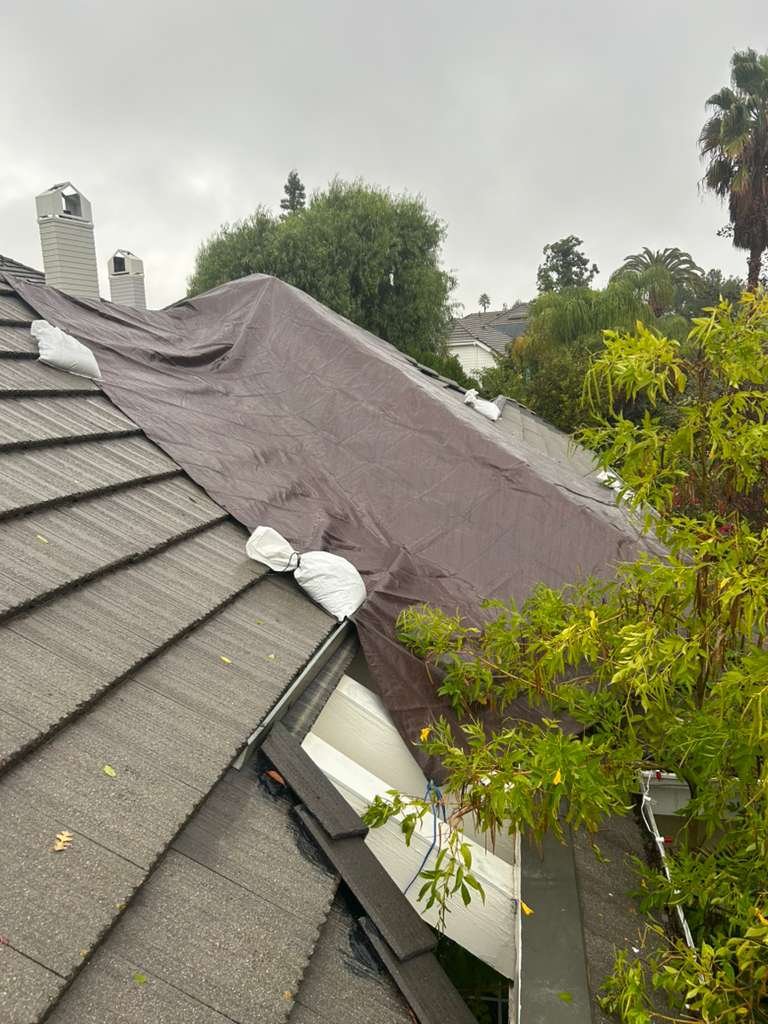
Roof in Lancaster, CA covered by brown tarp to prevent water damage ahead of Southern California rainstorm.
Winter in Southern California can be unpredictable. While we may not deal with snow, the rainstorms we do get—especially back-to-back systems like the ones moving through the Antelope Valley right now—have a way of exposing vulnerabilities in a home. Between heavy rain, increased indoor moisture, and more frequent use of heaters, fireplaces, and electrical devices, winter can quietly become one of the most damaging seasons of the year.
At ServiceMaster Restore by Precision, we’ve already seen the impact of the first wave of storms, and with another round of rain on the way, now is the time to focus on prevention. Protecting your home this winter isn’t just about staying warm—it’s about preventing water damage, mold growth, and fire hazards before they start.
How Winter Storms Increase the Risk of Water Damage
Rainstorms put stress on parts of your home that don’t get much attention during drier months.
Common winter water damage sources include:
Roof leaks from worn or lifted shingles
Damaged roof vents or flashing
Overflowing or clogged gutters
Window and door seal failures
Water intrusion through stucco cracks
During the first wave of rain, we helped several homeowners by tarping their roofs after storm-related damage was discovered. In many of those cases, the tarping alone helped prevent significant interior water damage while homeowners waited for permanent repairs. It’s a reminder that even temporary solutions—when done correctly—can make a big difference during active storms.
Tip: If you notice ceiling stains, bubbling paint, or dripping during rainfall, those are early warning signs. Water that isn’t properly addressed can continue spreading long after the rain stops.
Why Mold Becomes a Bigger Problem in Winter
Mold doesn’t need flooding to grow—it needs moisture and time. Winter storms, combined with reduced ventilation and closed-up homes, create the perfect conditions for mold growth.
Watch for signs like:
Persistent musty odors
Condensation on windows or walls
Discoloration around vents or baseboards
Mold growth in bathrooms, closets, or garages
Mold can begin developing in as little as 24–48 hours if moisture isn’t properly dried. That’s why acting quickly after a leak—or even suspected moisture intrusion—is critical.
Winter Heating Safety: Preventing Fire Damage
As temperatures drop, heating equipment gets used more frequently, increasing the risk of fire if proper precautions aren’t taken.
Important winter fire safety tips:
Never cover heaters, fans, or motors: These devices need airflow. Blocking vents can cause overheating.
Use space heaters with caution: Keep them at least three feet away from furniture, curtains, or bedding, and unplug them when not in use.
Keep heater and water heater closets clear: Avoid storing boxes, chemicals, or flammable items near heat sources.
Unplug electric blankets and heaters when not in use: Especially overnight or when leaving the house.
Clean your range hood and check the stove: Grease buildup is a common cause of kitchen fires.
Fireplace safety matters: Keep furniture and objects at a safe distance—embers can travel farther than expected.
Update smoke detectors and review your fire escape plan: Winter is a great time to test alarms and make sure everyone knows what to do.
How Water and Fire Risks Often Overlap
What many homeowners don’t realize is that water damage and fire damage risks often overlap during winter. Moisture near electrical outlets, wet insulation, and compromised wiring can all increase fire hazards if left unaddressed.
That’s why prevention should always be looked at holistically—not as separate issues, but as part of protecting your home as a whole.
When to Call a Professional
If you’ve experienced:
Roof damage or leaks after recent storms
Standing water or moisture that won’t dry
Mold growth or strong odors
Smoke, fire, or electrical concerns
It’s time to bring in professionals.
At ServiceMaster Restore by Precision, we help homeowners across Lancaster, Palmdale, and the Antelope Valley with water damage restoration, mold remediation, fire damage cleanup, and emergency services like roof tarping. We inspect affected areas, help prevent further damage, and work directly with insurance when needed.
Stay Ahead of Winter Damage
With another storm on the way, now is the time to act. Preventative steps and quick response when damage occurs can save you from far more serious issues later.
Contact ServiceMaster Restore by Precision today to schedule an inspection or consultation. We’re here to help keep your home safe, dry, and protected all winter long.