Mold Cleanup After Winter Storms: What Lancaster & Antelope Valley Homeowners Need to Know
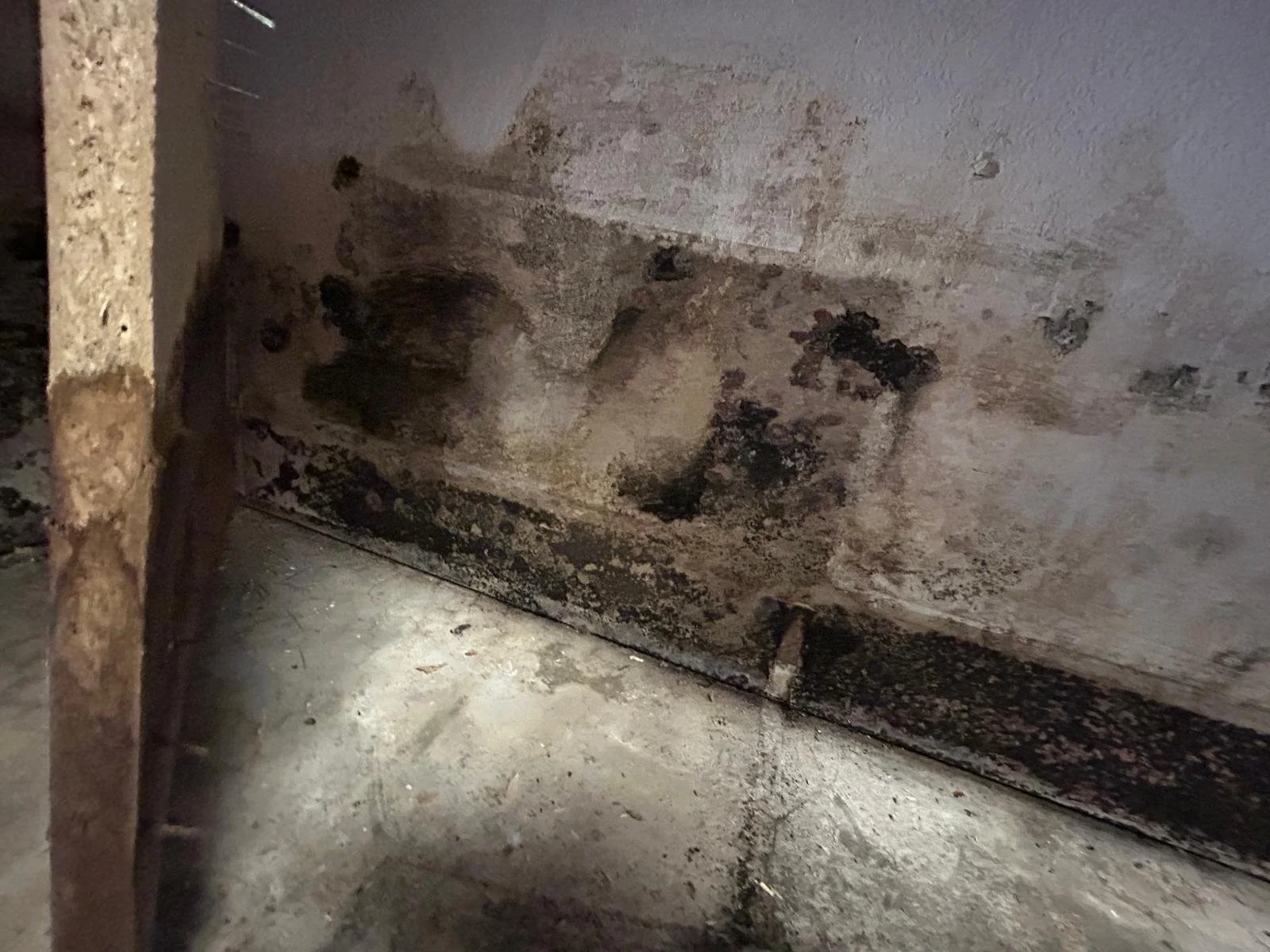
Mold from water damage behind the cabinets
With Southern California experiencing multiple waves of winter rain, many homeowners are now dealing with the aftermath—leaks, moisture buildup, and unfortunately, mold. Mold cleanup becomes especially important after storms, because moisture that isn’t properly dried can turn into a much bigger problem in a short amount of time.
At ServiceMaster Restore by Precision, we’ve already seen an increase in mold-related calls across Lancaster, Palmdale, and the Antelope Valley following recent storms. Here’s what you need to know about mold cleanup, when to act, and how to protect your home moving forward.
Why Mold Grows After Rainstorms
Mold thrives on moisture, and winter storms create the perfect environment for it to grow. Even small roof leaks, window seepage, or plumbing issues can allow moisture to enter walls, ceilings, flooring, and insulation.
What many homeowners don’t realize is that mold can begin growing within 24–48 hours if moisture isn’t properly removed. That’s why post-storm mold cleanup is so important—especially in homes that stayed closed up during the rain.
Common storm-related mold sources include:
Roof leaks
Wet drywall or insulation
Standing water that wasn’t fully dried
High indoor humidity after storms
Poor ventilation during colder weather
Signs You May Need Mold Cleanup
Mold isn’t always obvious. Sometimes the first signs are subtle.
Watch for:
Musty or earthy odors
Discoloration on walls or ceilings
Bubbling or peeling paint
Mold growth in bathrooms, closets, or garages
Increased allergy or respiratory symptoms
If you notice any of these after a storm, it’s a strong indicator that professional mold cleanup may be needed.
Why DIY Mold Cleanup Often Isn’t Enough
Small surface mold might seem manageable, but mold often spreads behind walls, under flooring, and inside insulation—areas you can’t see.
DIY cleanup can:
Miss hidden mold growth
Spread spores into the air
Fail to address the moisture source
Allow mold to return
Professional mold cleanup focuses on containment, proper removal, drying, and prevention, not just surface cleaning.
Our Mold Cleanup Process
At ServiceMaster Restore by Precision, our mold cleanup process is designed to be thorough and effective:
Inspection & Moisture Assessment – We identify visible and hidden mold and locate the moisture source.
Containment – Affected areas are isolated to prevent mold spores from spreading.
Professional Mold Removal – Contaminated materials are safely removed or treated according to industry standards.
Drying & Dehumidification – We eliminate excess moisture to prevent regrowth.
Post-Cleanup Verification – We ensure the area is dry, clean, and safe before completion.
Our team is IICRC-certified, meaning we follow industry-recognized best practices for mold remediation and cleanup.
Why Fast Mold Cleanup Matters
Delaying mold cleanup can lead to:
Structural damage
Poor indoor air quality
Health concerns for occupants
Higher restoration costs
Early action after winter storms can make a significant difference—not just in cleanup time, but in overall damage prevention.
Serving Lancaster, Palmdale & the Antelope Valley
Homes in the Antelope Valley face unique challenges. Older construction, strong winds, and sudden rainstorms can all contribute to moisture intrusion. That’s why local, experienced mold cleanup matters.
ServiceMaster Restore by Precision provides:
Mold cleanup
Mold remediation
Water damage restoration
Emergency services after storms
Insurance claim assistance
Schedule a Mold Inspection Today
If your home experienced leaks, moisture, or flooding during recent storms—or if you’re noticing signs of mold—don’t wait.
Contact ServiceMaster Restore by Precision today to schedule a professional mold inspection and cleanup. Acting quickly can help protect your home, your health, and your peace of mind.