Why Mold Shows Up Weeks After Rainstorms (And What to Do About It)
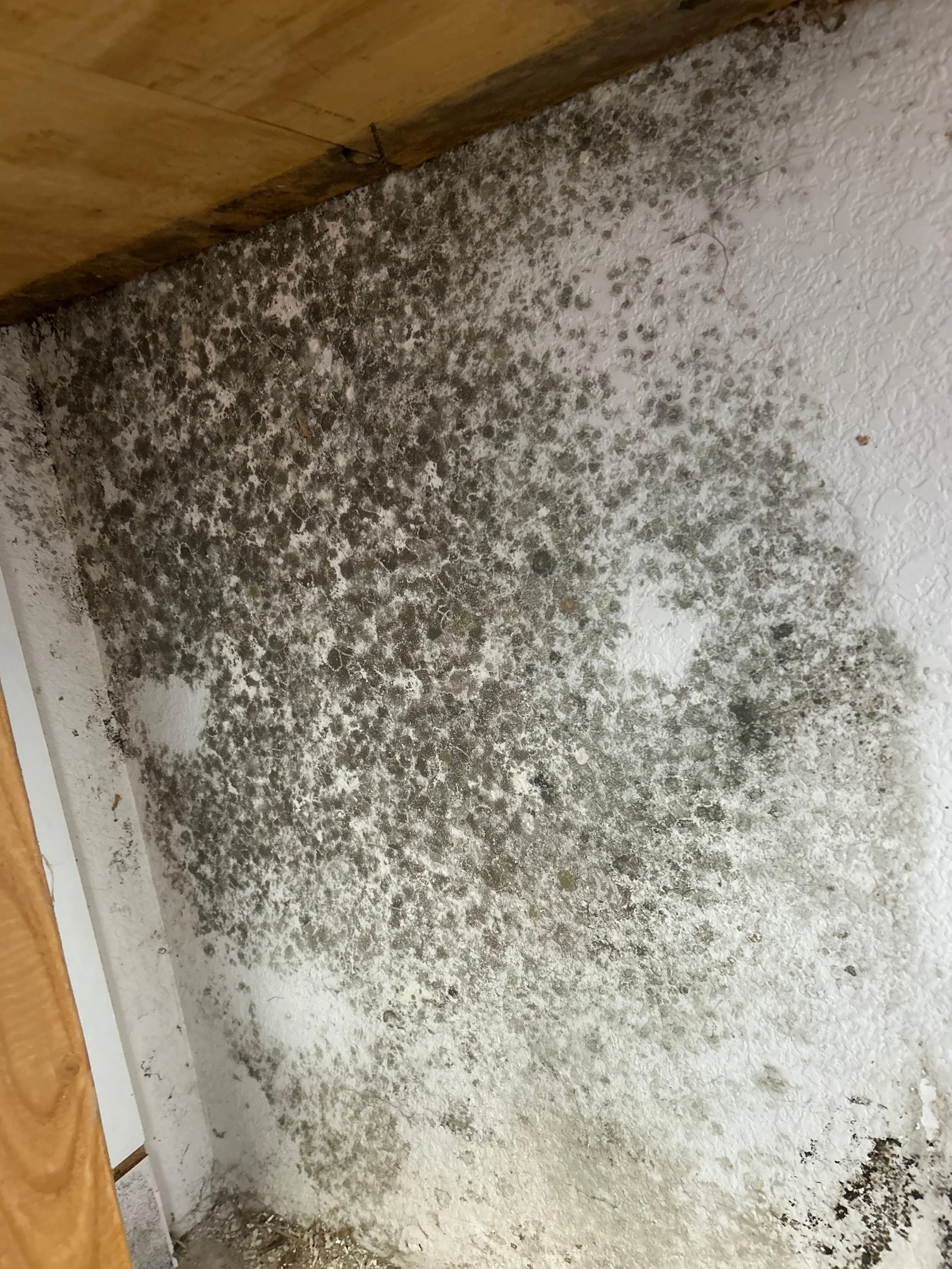
Mold on a white wall
A lot of homeowners think that once the rain stops, the risk is gone. No more leaks, no more problems, right?
Not exactly.
One of the most common things we see at ServiceMaster Restore by Precision is mold showing up weeks after a storm has already passed. By that point, most people aren’t even thinking about water damage anymore—but that’s usually when the real issues start to surface.
If you’re in Lancaster, Palmdale, or anywhere in the Antelope Valley, here’s why that happens and what you should be looking out for.
Why Mold Doesn’t Show Up Right Away
Mold needs two things: moisture and time.
When your home takes on water—whether from a roof leak, window seepage, or even just high humidity during a storm—it doesn’t always dry the way you think it does. Water can get trapped:
Behind drywall
Under flooring
Inside insulation
Around windows and door frames
In attic spaces or crawlspaces
Even if everything looks dry on the surface, moisture can still be sitting inside materials. And that’s where mold starts to grow.
In many cases, mold can begin forming within 24–48 hours, but it may take days or even weeks before it becomes visible or noticeable.
Why This Happens More in the Antelope Valley
Homes in Lancaster and the Antelope Valley aren’t built for constant rain. When storms come through:
Roof systems get stressed
Wind lifts shingles or flashing
Water finds entry points that normally aren’t exposed
Homes stay closed up, trapping humidity inside
That combination makes it easier for moisture to get in—and harder for it to fully dry out.
Signs Mold Is Starting to Grow (Even Weeks Later)
Mold doesn’t always show up as obvious black spots right away. Sometimes the warning signs are subtle.
Look for:
A musty or damp smell that won’t go away
Discoloration on walls or ceilings
Bubbling or peeling paint
Soft spots in drywall
Increased allergy symptoms indoors
Condensation that keeps coming back
If something feels off in your home after a storm, it usually is.
Why Waiting Makes It Worse
The longer moisture sits, the more damage it causes.
What starts as a small hidden issue can turn into:
Widespread mold growth
Damaged drywall and insulation
Flooring issues
Poor indoor air quality
More expensive repairs
Mold doesn’t stay in one place—it spreads.
What You Should Do After a Rainstorm
Even if everything seems fine, it’s worth doing a quick check after heavy rain.
Walk your home and look for:
Ceiling stains
Damp walls or baseboards
Moisture near windows
Any unusual smells
If you’ve had any kind of leak—even a small one—it’s a good idea to have it inspected.
When to Call for Mold Inspection or Cleanup
You don’t need to wait until mold is visible.
If you’ve experienced:
Roof or ceiling leaks
Water intrusion during storms
Lingering moisture or odors
Areas that never fully dried
It’s time to bring in a professional.
At ServiceMaster Restore by Precision, we provide:
Mold inspections
Mold cleanup and remediation
Water damage restoration
Drying and dehumidification
Help with insurance claims
We don’t just remove mold—we address the source of the problem so it doesn’t come back.
Don’t Ignore What Shows Up Later
Mold showing up weeks after a storm is more common than most people think. By the time it becomes visible, it’s usually been growing for a while.
The sooner you catch it, the easier—and more affordable—it is to fix.
If you’re in Lancaster, Palmdale, or the Antelope Valley and something doesn’t feel right after recent storms, contact ServiceMaster Restore by Precision today. We’ll help you figure out what’s going on and take the right steps to get your home back to normal.